Landmark Science Study: Global Mangrove Forests Have Reversed Decades of Decline — Net Gain Since 2010
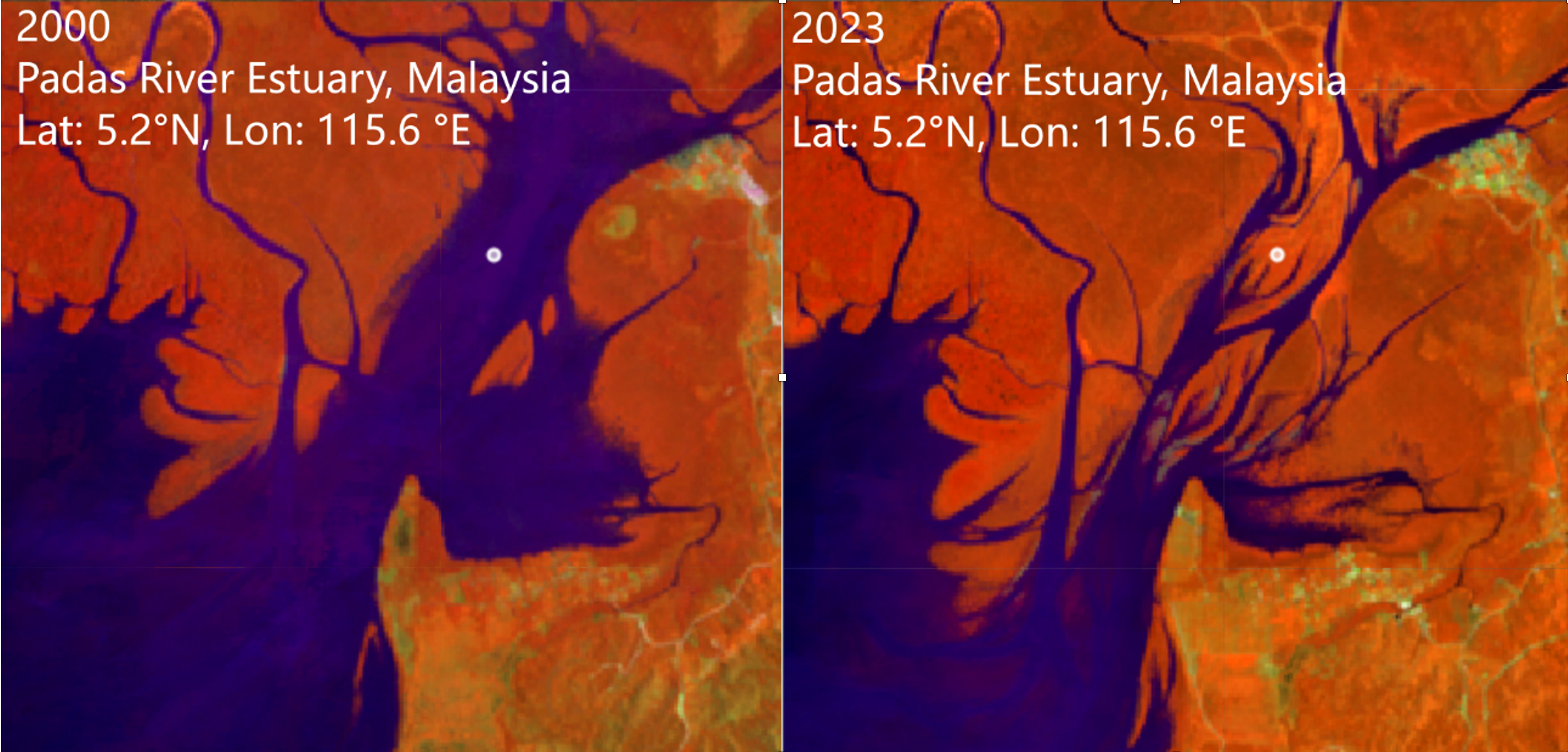
A landmark study published in Science on June 4, 2026 (DOI: 10.1126/science.aec9773) by Zhen Zhang and Daniel Friess of Tulane University found that global mangrove forests have reversed their long-term decline. Analyzing 40 years of Landsat satellite data (1984–2023), the researchers found that mangroves lost approximately 2,900 km² between 1980 and 2010, but since 2010, net gains have outpaced losses — reducing the 40-year net decline to approximately 1%. Recovery is driven by natural regeneration on abandoned aquaculture and shrimp-farm sites, strengthened national conservation policies, and climate-driven northward expansion in the United States Gulf Coast, South Asia, Middle East, and northern Australia. Lead author Zhen Zhang stated: 'After decades of loss, we're finally seeing a global turning point for mangroves.' Co-author Daniel Friess noted: 'Mangroves are now showing a net increase globally, and the rate of degradation is slowing.' The study found that while Southeast Asia experienced stabilization after a major destruction era, West and Central Africa remain vulnerable to storms, erosion, pollution, and continued deforestation. NASA satellites tracking the same Landsat datasets confirmed the expansion in Malaysia's Padas River estuary as a documented example of the broader recovery trend. Mangroves store 3–5 times more carbon per hectare than terrestrial forests and provide critical coastal storm-surge protection, fisheries nursery habitat, and livelihoods for hundreds of millions of coastal people. The reversal provides rare documented evidence that conservation policies and natural recovery can overcome decades of ecosystem loss when drivers of degradation are addressed.
Media