Russian Drone Strikes Chernobyl Spent Nuclear Fuel Storage Facility (ISF-2)
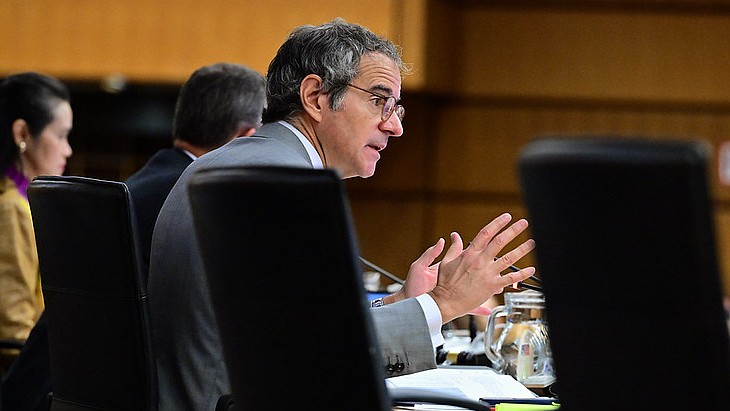
On the night of June 7, 2026, a Russian Shahed attack drone struck the Central Spent Nuclear Fuel Storage Facility (ISF-2) within the Chernobyl exclusion zone, causing significant structural damage to part of the fuel-reception building — including the IAEA's on-site safeguards office. The strike ignited a fire covering roughly 40 square metres that was quickly localized and extinguished; no injuries were reported, and Ukrainian nuclear operator Energoatom said no spent fuel was present in the damaged building at the time of the attack. Radiation levels at the facility, which stores fuel casks approximately 300 metres away, remained within normal background limits. IAEA Director General Rafael Mariano Grossi called the strike 'extremely dangerous,' stating that 'attacking a facility with large amounts of nuclear material is extremely dangerous. It must not happen,' and said it was unclear when the facility — commissioned in 2023 and only licensed in May 2026 to begin receiving spent fuel — could resume operations. President Volodymyr Zelenskyy condemned the attack as 'extremely vile.' The strike came amid a broader wave of Russian drone attacks that killed at least five people elsewhere in Ukraine that same day, hours after a proposed ceasefire was rejected.
Media
Sources
- T2 World Nuclear News — IAEA warning after drone hits used fuel facility near Chernobyl Major western
- T2 Al Jazeera — Russian drone attack damages site near Chornobyl nuclear plant Major middle_eastern
- T2 NBC News — Russian drone hit nuclear fuel storage facility near Chernobyl, Ukraine says Major western