Lebanon and Israel Hold Second Round of Direct Talks in Washington — First Direct Diplomacy in Three Decades
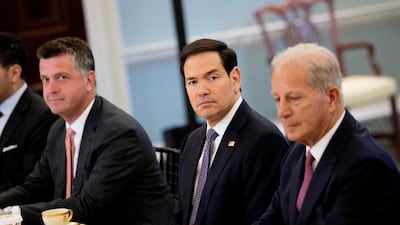
On April 23, Lebanese Ambassador Nada Hamadeh Moawad and Israeli Ambassador Yechiel Leiter met in Washington for a second round of direct talks, with US Secretary of State Marco Rubio facilitating. The talks — described by analysts as the first direct Lebanon-Israel diplomatic contact in approximately three decades — focus on Lebanon's request for a one-month extension of the US-brokered 10-day ceasefire that expires Sunday April 26. Lebanon's President Joseph Aoun stated the negotiation opportunity was one that 'may not arise again,' calling for a complete halt to Israeli military actions, full Israeli troop withdrawal from occupied southern Lebanese territory, return of detainees, and reconstruction support. The US State Department confirmed the ceasefire 'can be extended by mutual agreement' if Lebanon demonstrates effective sovereignty. A US official framed the talks as a chance to 'treat Lebanon as a sovereign state and finally empower it to act like one, rather than letting an Iran-backed terrorist organization have a veto on its future.' A significant complication: April 22 had been Lebanon's deadliest day since the ceasefire began, with Israeli forces maintaining a self-declared buffer zone in southern Lebanon and skirmishes along the Blue Line continuing. Hezbollah, which is not represented at the talks and was designated a foreign terrorist organization by the US, condemned Lebanon's participation in direct negotiations with Israel. The talks are seen as structurally linked to the Iran nuclear standoff: a Lebanon deal would reduce one regional flashpoint while US-Iran diplomacy remains frozen.
Media
Sources
- T2 Washington Post Major western
- T2 The National Major middle_eastern
- T2 France 24 Major western
- T2 RTE News Major western