Researchers Declare 'Catastrophic Mortality Event' as 145 Gray Whales Found Dead Along West Coast
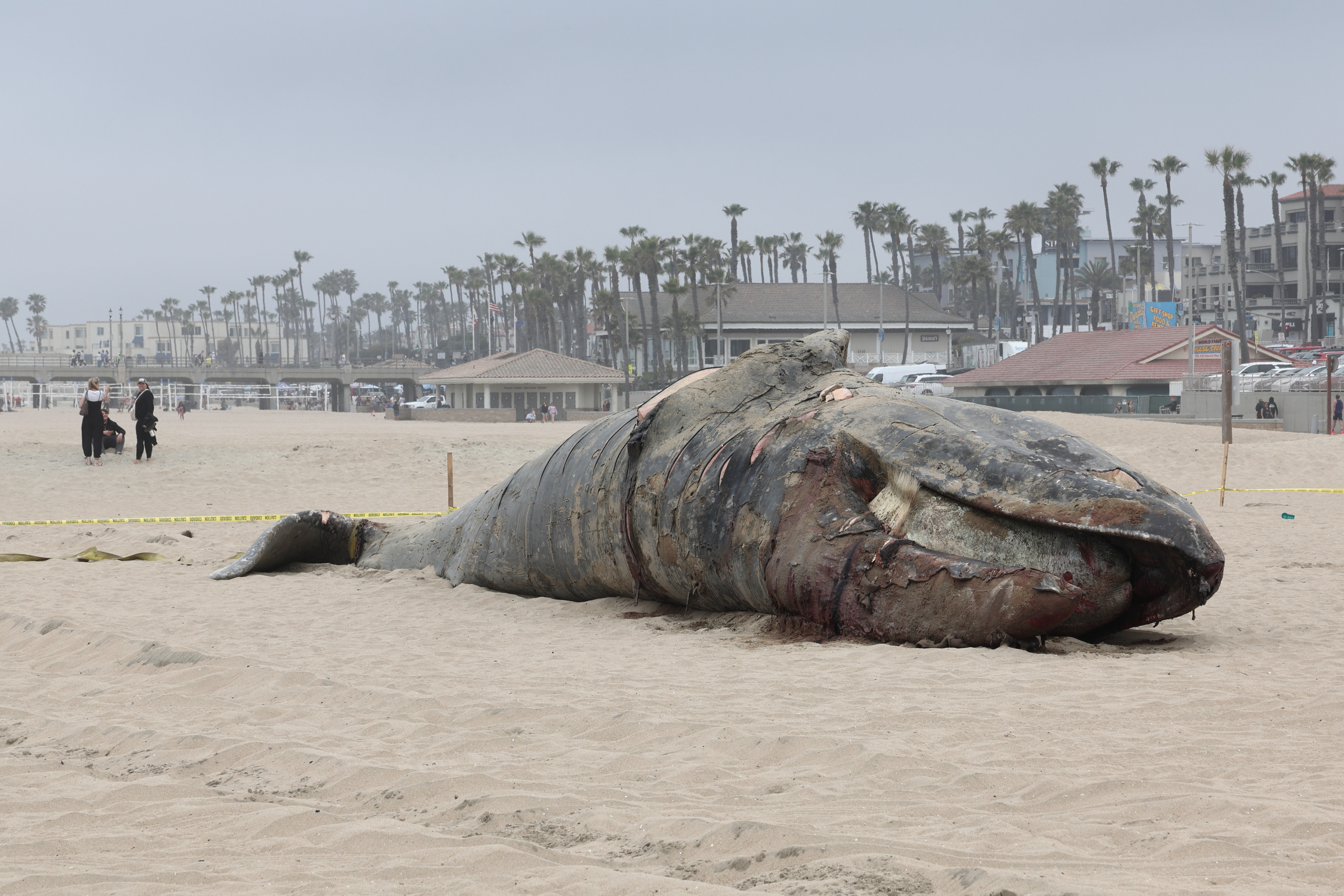
By early July 2026, federal stranding networks and independent researchers had documented 145 gray whale deaths from Mexico to Alaska since the start of the year — already exceeding full-year totals recorded during the last three years of NOAA's 2019–2023 declared Unusual Mortality Event, and far above the long-term average of roughly 43 annual strandings (2006–2023). Public Employees for Environmental Responsibility (PEER) and researchers including Scripps Institution of Oceanography biologists characterized the die-off as a 'catastrophic mortality event,' though NOAA has stopped short of formally re-declaring a new Unusual Mortality Event; agency spokesperson Michael Milstein said officials would only do so if new causal factors emerged beyond those already identified. Thirty gray whales were found dead in Washington State alone as of July 6 — the state's second-highest single-year total on record. Because scientific literature estimates that only 10–15% of gray whale carcasses wash ashore, researchers extrapolate the true 2026 death toll could range from roughly 1,300 to 8,000 animals when unobserved offshore mortality is included. Biologist John Calambokidis described observed whales as uniformly emaciated: 'All of them are thin. Some are extremely emaciated.' The eastern North Pacific gray whale population has fallen to an estimated 13,000 individuals, down more than 50% from about 27,000 in 2016, as vanishing Arctic sea ice collapses the benthic amphipod food chain the whales depend on and forces many to feed instead on far less nutritious warm-water jellyfish. Some starving whales have been detouring into San Francisco Bay and other high-traffic waterways in search of food, increasing their exposure to fatal ship strikes.
Media
Sources
- T2 Smithsonian Magazine Major western
- T3 Public Employees for Environmental Responsibility (PEER) Institutional western
- T2 CBS 8 San Diego Major western