UN Concludes 11-Year Turkey-Syria Cross-Border Humanitarian Aid Route
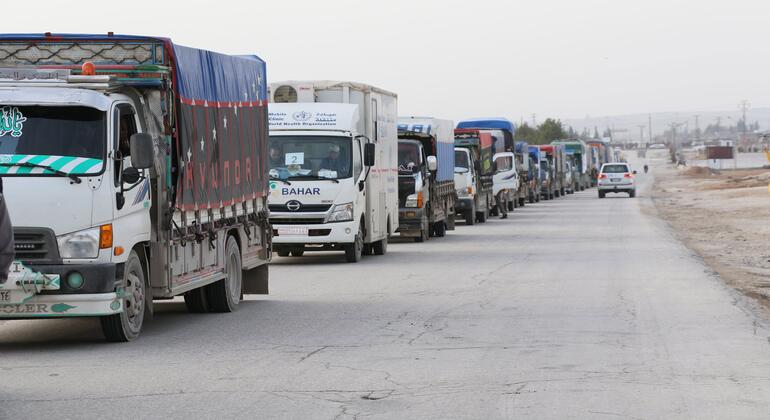
The United Nations formally concluded its cross-border humanitarian operations from Turkey into northwestern Syria — a mechanism that had facilitated more than 65,000 truckloads of aid over 11 years to millions of Syrians living in opposition-held areas cut off from government-controlled supply lines. The cross-border route, authorized by successive UN Security Council resolutions since 2014 (most recently the Bab al-Hawa crossing authorization), had been the primary humanitarian lifeline for Idlib and surrounding areas during the Assad era, when Damascus systematically blocked UN aid delivery through government-controlled channels. With the Assad regime's fall in December 2024, the UN is transitioning to regular bilateral and commercial channels for aid delivery, normalizing Syria's reintegration into standard humanitarian access protocols. UN agencies emphasize that the closure does not mean the humanitarian emergency has ended: 7.2 million Syrians still face acute food insecurity as of mid-2026, and a World Food Programme decision (announced May 13, 2026) cut emergency food assistance by 50% due to severe global funding shortfalls, reducing beneficiaries from 1.3 million to 650,000 and halting a nationwide bread subsidy programme that had served 4 million people daily. The closure of the cross-border mechanism marks a structural end to one of the most complex UN humanitarian access debates of the past decade, but the financing gap — the 2026 Syria Humanitarian Response Plan is only 16% funded at $0.48B of $2.9B requested — remains critical.
Media
Sources
- T1 UN News Official international
- T1 World Food Programme (WFP) Official international