Screwworm Crisis: 700+ Cases in Mexico During April; US Livestock Ban Persists as Sheinbaum Affirms Bilateral Resolution Plan with Chiapas Fly Plant
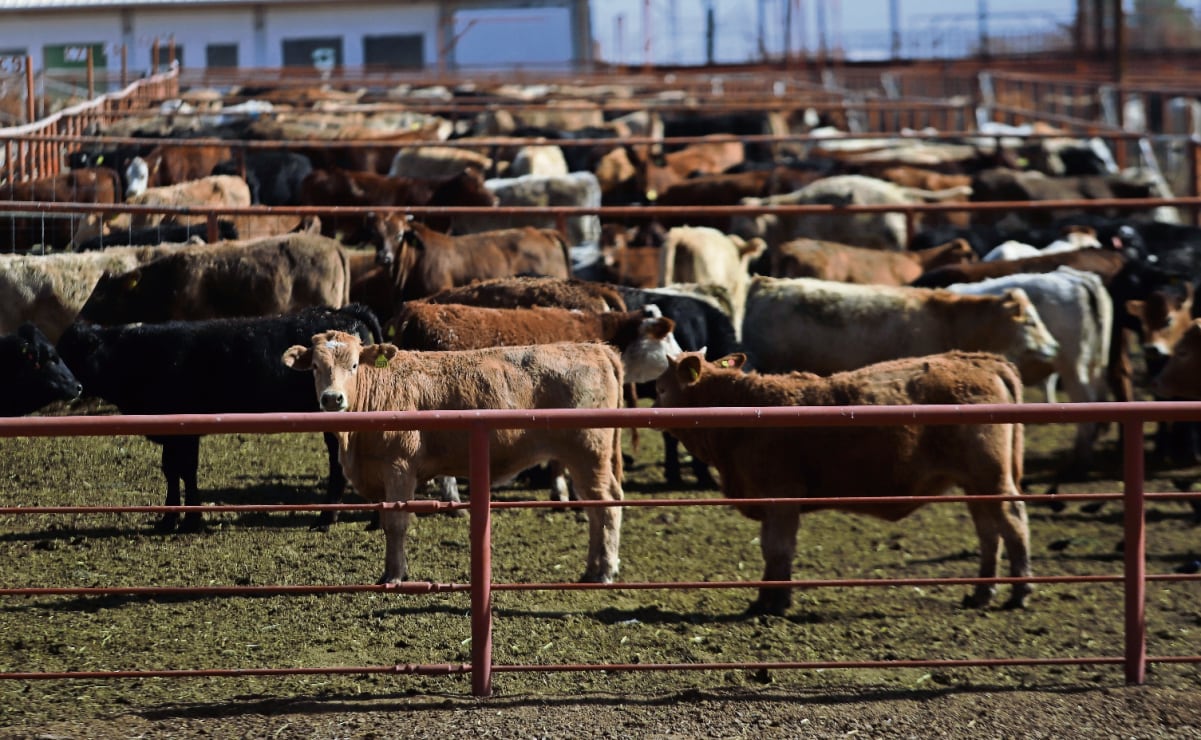
The New World Screwworm (Cochliomyia hominivorax) outbreak in Mexico reached a critical threshold in April 2026, with USDA data confirming over 700 new cases detected in the country — nearly 40% in the single week ending April 2. The USDA Animal and Plant Health Inspection Service (APHIS) has maintained a suspension on live cattle imports through all southern border ports of entry since May 2025, when the pest was first detected spreading northward from Central America. At her April 24 mañanera, President Sheinbaum reassured Mexico's livestock producers that the federal government is cooperating closely with the United States to resolve the crisis. She highlighted two key bilateral mechanisms: (1) joint scientific information exchange between Mexico's SENASICA and the USDA; and (2) construction of a new sterile-fly production facility in Chiapas, partly financed with U.S. support, expected to begin producing screwworm control flies by June 2026. The Mexican government reported deploying 574,000+ traps and capturing 11.6 million screwworm flies nationwide. A first confirmed human case of screwworm myiasis was registered April 17 in a 77-year-old woman in Chiapas, triggering a Ministry of Health epidemiological alert. The livestock export ban has put approximately USD $1.5 billion in annual bilateral cattle trade at risk, with significant economic damage to beef-producing states including Chihuahua, Sonora, and Tamaulipas. Analysts at Mexico Business News warned that U.S. restrictions could extend beyond 2026 if eradication benchmarks are not met. Sheinbaum said she is 'confident' that bilateral cooperation will 'soon normalize' livestock exports, framing the screwworm response as a model of US-Mexico technical agricultural cooperation amid broader trade tensions.
Media
Sources
- T2 Bloomberg Major western
- T2 El Universal Major western
- T2 El Imparcial Major western