Poland Confirms US in Active Talks on NATO Nuclear Sharing Expansion — Defense Minister Kosiniak-Kamysz
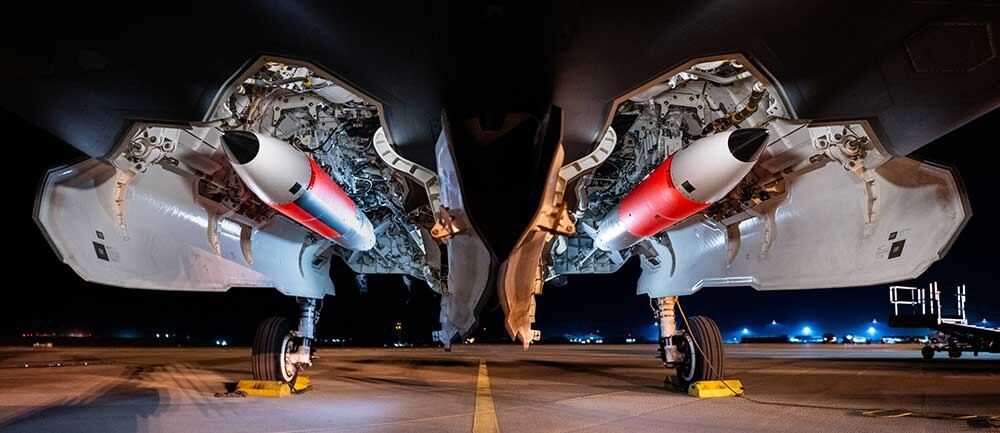
Polish Defense Minister Władysław Kosiniak-Kamysz confirmed on June 4, 2026, that the United States is in active negotiations with multiple European countries — including Poland — on expanding the NATO Nuclear Sharing programme. The confirmation is the first official NATO-member governmental acknowledgment of the nuclear sharing expansion talks first reported by the Financial Times and Defense News on June 2. **What Poland confirmed:** Kosiniak-Kamysz stated that US officials are in discussions with European countries about extending the NATO Nuclear Sharing framework to new members — confirming that the talks go beyond background exploration and involve concrete governmental negotiations. Poland is seeking the deployment of US dual-capable aircraft (DCA) equipped to carry B61 tactical nuclear bombs — the same nuclear sharing arrangement currently deployed in Belgium, Germany, Italy, the Netherlands, and Turkey. **Poland's nuclear hedging strategy:** Warsaw is simultaneously pursuing three parallel nuclear deterrence tracks: (1) the US NATO nuclear sharing expansion now confirmed; (2) France's bilateral nuclear deterrence framework (Poland is among the nine European countries under France's extended deterrence); and (3) the UK-Poland Northolt Treaty (signed May 27), which covers defense industrial cooperation including advanced missile systems. This multi-hedge strategy is unprecedented for a non-nuclear NATO state and reflects the depth of Polish uncertainty about reliable US Article 5 commitment. **NATO Nuclear Planning Group dynamics:** NATO's Nuclear Planning Group (NPG) normally handles nuclear sharing architecture. Any formal expansion to Poland or the Baltic states would require NPG consensus — meaning all 32 allies, including members skeptical of nuclear escalation (Germany, Belgium, Spain). This multinational constraint makes the June 18 NATO Defense Ministers meeting in Brussels a critical next step: the ministers' meeting is the first formal NATO forum after the FT/Defense News report where the nuclear architecture question can be addressed collectively. **Eastern flank precedent:** The Baltic states (Estonia, Latvia, Lithuania) face the most direct Russian conventional threat of any NATO members, and all three already spend well above the 2% GDP target. The June 3 EUCOM announcement confirming zero US submarines to NATO has accelerated Baltic interest in nuclear sharing as a compensatory deterrence measure.
Media
Sources
- T3 EuropeSays (citing Polish Defense Ministry) Institutional western
- T2 TASS Major eastern
- T2 Defense News Major western