Saudi Crude Exports Fall 70% as Kingdom Reroutes Around Shut Yanbu Pipeline via Sohar, Suez and the Cape
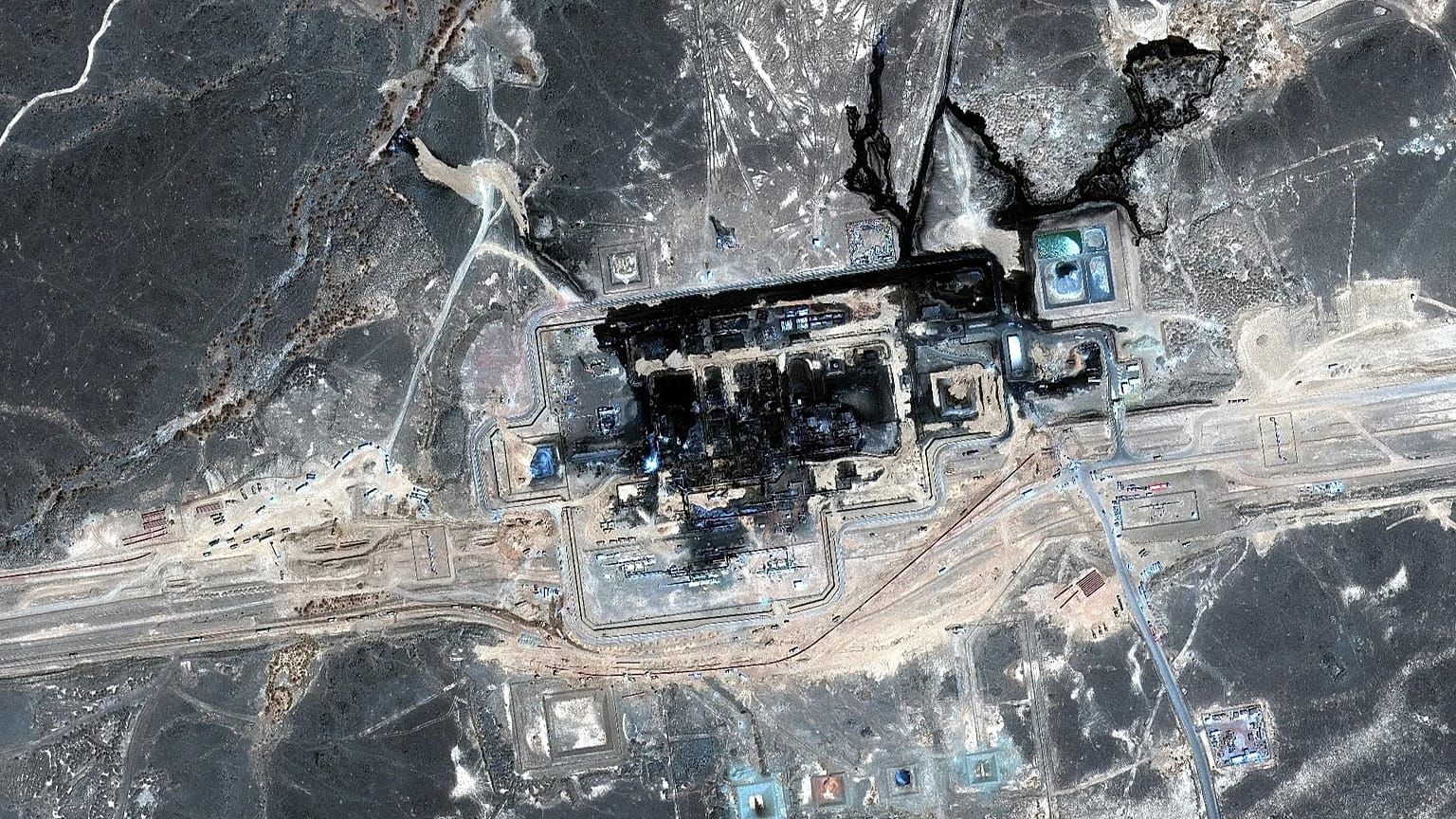
Saudi Arabia's total crude loadings have fallen more than 70% -- from roughly 7.5 million barrels a day in January-February to 2.1-2.3 million bpd by mid-September -- as the kingdom scrambles to reroute exports around the East-West pipeline, shut since the Sep 10-11 drone attacks, and the subsequently suspended Yanbu Red Sea terminal. The largest replacement flow now moves via ship-to-ship transfers off Sohar, Oman, and through the Strait of Hormuz itself, which Kpler estimated at over 2 million bpd in September's first two weeks despite the strait's near-total shipping paralysis elsewhere; a smaller volume moves north via the Suez Canal and Egypt's Sumed pipeline to the Mediterranean, while the Cape of Good Hope route -- nearly a month longer and roughly four times the distance -- sees only limited use given the cost. At least three European refiners had late-September Saudi cargoes cancelled or pushed back to November; Poland's Orlen said it had purchased 16 replacement cargoes from Norway, the UK, Algeria, Kazakhstan, Azerbaijan and the Americas to cover the shortfall. The East-West pipeline, also known as Petroline, normally carries about 5.5 million bpd, of which roughly 4.5 million bpd is exported through Yanbu.
Media
Sources
- T2 Al Jazeera Major middle_eastern
- T3 Kpler Institutional international
- T2 Euronews Major western