China State Council Enacts Sweeping Outbound Investment Controls — 34-Article Regulation Covers Tech, Data, and Personnel Transfers; Effective July 1, 2026
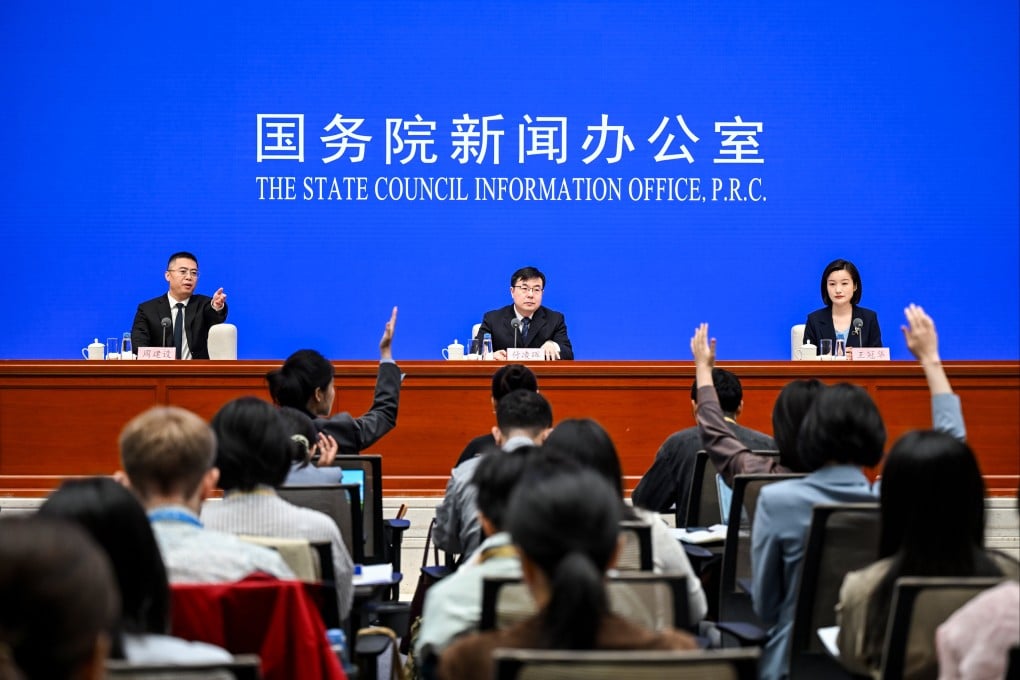
China's State Council published a comprehensive 34-article outbound investment regulation on June 1, 2026 (dated May 5, effective July 1, 2026) — the most sweeping overhaul of China's outbound investment framework in years, representing Beijing's institutional answer to US export control architecture. The regulation requires government approval for overseas transfers of goods, technologies, services, and data subject to export controls; critically, it extends to cross-border technology personnel deployment, consulting, and training — closing loopholes that allowed Chinese tech firms to circumvent transfer reviews by deploying staff internationally. Unusually, the rules extend to Hong Kong, Macau, and Taiwan. Beijing gains new authority to impose retaliatory measures against foreign entities that discriminate against or suspend transactions with Chinese investors. The framework was triggered in part by the Meta/Manus AI dispute (Beijing blocked Meta's ~$2B acquisition of Manus, a Chinese-founded AI startup relocated to Singapore, April 27–28, 2026) and the Nexperia case (Chinese-owned Dutch chip firm subject to foreign government scrutiny). The regulation consolidates previously fragmented outbound investment rules under a single unified structure — giving Beijing centralized visibility and control over all tech-related cross-border flows: financial, technical, and human. Analysts view the framework as the mirror image of US export controls architecture: where the US restricts inbound tech flows to China, the new regulation gives Beijing symmetric tools to restrict outbound Chinese tech transfers, personnel mobility, and intellectual property. Combined with China's existing capital controls on AI startup foreign investment (April 2026 guidance blocking US capital into Moonshot AI, StepFun, ByteDance) and travel restrictions on AI researchers (May 26, 2026), the June 1 regulation completes a three-vector domestic containment architecture: capital in (blocked), talent out (travel restrictions), technology out (outbound investment review). The effective date of July 1, 2026 gives affected firms approximately one month to assess compliance.
Media
Sources
- T2 Bloomberg Major western
- T2 SCMP Major western
- T2 Nikkei Asia Major western