Apple Announces 350 Swift Student Challenge 2026 Winners: AI-Powered Accessibility Apps from 37 Countries Define This Year's Cohort
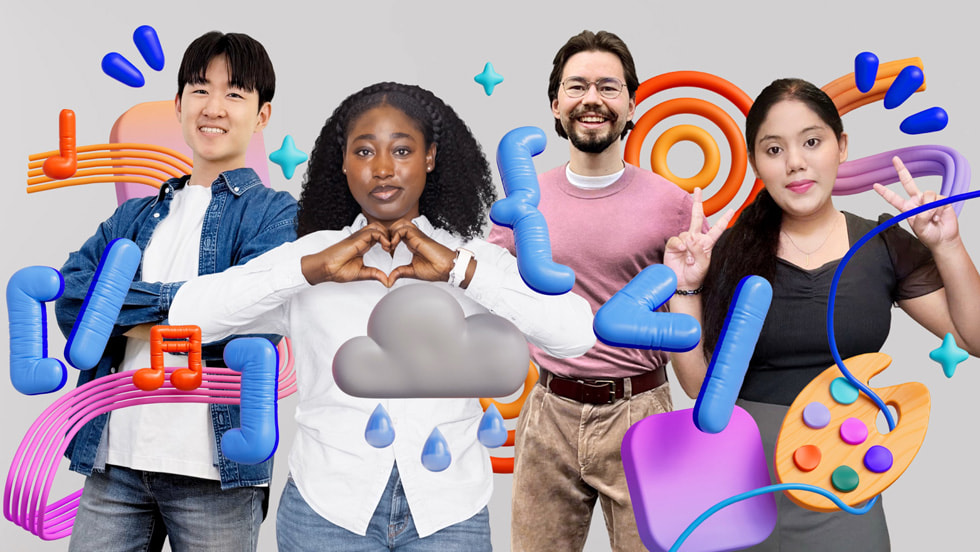
Apple announced the 350 winners of the 2026 Swift Student Challenge on its Newsroom in May 2026, with the cohort centered on the intersection of AI and accessibility — the defining applied AI theme of the past 12 months. Among standout winning projects: a student built a tremor-compensation drawing tool using Anthropic Claude integrated with Apple PencilKit and iPad motion sensors. The app detects hand tremor frequency via accelerometer data and applies real-time signal processing corrections, enabling people with motor impairments (Parkinson's disease, essential tremor, cerebral palsy) to draw and write on iPad. The tool addresses a need that was previously served only by expensive occupational therapy equipment. A second winner created 'LeViola,' making viola learning accessible without requiring a physical instrument, removing the primary cost barrier to string instrument education. The 350 winners represent developers from 37 countries including students from underrepresented regions across Sub-Saharan Africa, Southeast Asia, and Latin America. Apple's framing of the 2026 challenge as 'AI meets accessibility' reflects a broader technology industry shift: AI for disability access has moved from niche research to mainstream product development. The Swift Student Challenge cohort serves as a leading-indicator of where the next generation of AI practitioners is directing their capabilities — and the 2026 results show a generation orienting toward disability access and inclusive technology rather than primarily commercial applications. The Anthropic Claude integration in the winning tremor-compensation app demonstrates that frontier AI models are now directly accessible to student developers building real disability access tools.
Media
Sources
- T1 Apple Newsroom Official western
- T3 Level Access — AI and Assistive Technology Key Advances 2026 Institutional western