Karzai Warns Tribal Ceasefire Deals Risk Legitimizing Pakistan's Disputed Durand Line — Calls on Taliban to Clarify
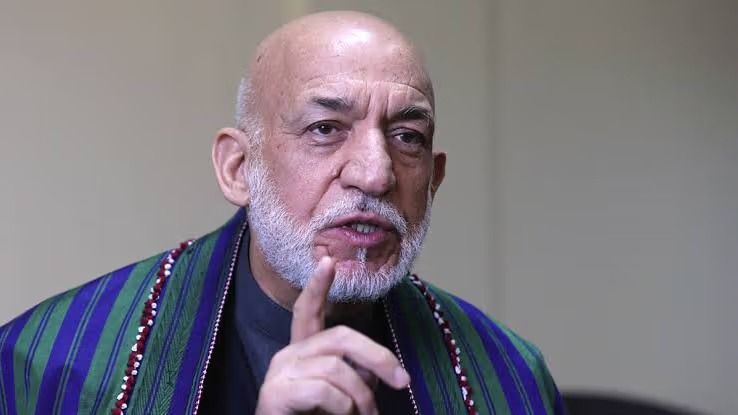
May 9, 2026 (Day 73 of Operation Ghazab lil-Haq): Former Afghan President Hamid Karzai publicly criticized the tribal ceasefire agreements being signed between communities on both sides of the Pakistan-Afghanistan border, warning that Pakistan is exploiting the deals to seek recognition of the disputed Durand Line. Karzai stated that Pakistan 'has increased military and economic pressure on villages near the Durand Line' and characterized the tribal agreements — formally welcomed by Pakistan's Foreign Ministry spokesman Tahir Andrabi on May 7 — as 'an attempt by Pakistan to legitimise the so-called Durand Line and as a move contrary to Afghanistan's national sovereignty.' The Bajaur-Kunar tribal ceasefire (signed May 5 at the Nawa Pass by tribal elders) and a parallel Nuristan-Chitral arrangement had provided local communities with a measure of protection from cross-border artillery fire and road closures that had threatened famine conditions in Nuristan's Kamdesh and Barg-e Matal districts. Pakistan's public endorsement of these grassroots deals was the first time Islamabad formally welcomed any form of Afghan-Pakistani de-escalation arrangement at the sub-state level — a pattern Karzai interpreted as legally and diplomatically significant. Karzai called on the Afghan Taliban government to clarify its position on the tribal agreements, implying that Taliban silence amounts to passive legitimization of Pakistan's Durand Line claims. The Taliban authorities have not publicly commented on the tribal arrangements. The Durand Line — drawn under British colonial authority in 1893 — has never been formally recognized by any Afghan government as an international border. Pakistan considers it the established international border and has been constructing fencing along its full length since 2017. The tribal ceasefire arrangements, while locally driven by humanitarian necessity, insert into a sensitive geopolitical dispute: whether sub-state actors can negotiate cross-border security arrangements without prejudicing the unresolved sovereignty question.
Media
Sources
- T2Afghanistan InternationalMajormiddle_eastern
- T2Ariana NewsMajormiddle_eastern
- T3Hasht-e Subh (8am.media)Institutionalmiddle_eastern