Esencia Developers, DRNA, and Cabo Rojo's Mayor Set Conditions on $2.5B Project as Senate Reconvenes
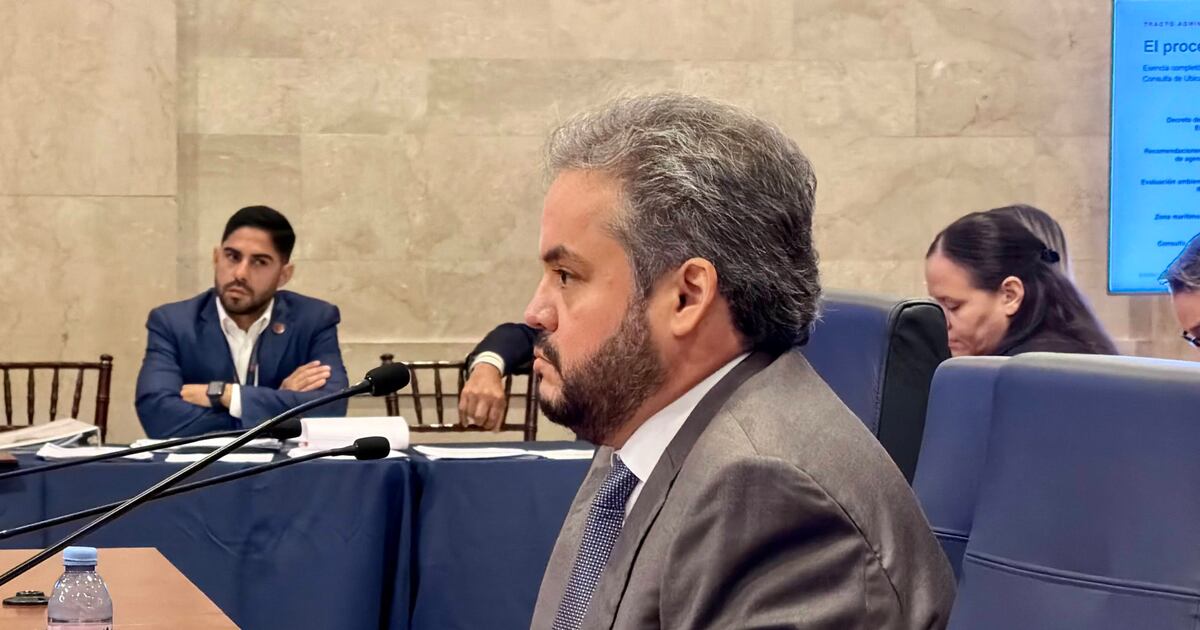
Five days after water, power, and tourism agencies testified against Proyecto Esencia — the Cabo Rojo megaproject Bad Bunny demanded be "canceled" from the Hiram Bithorn stage on Aug. 22-23 — the Puerto Rico Senate's Commission on Innovation, Reform and Appointments, chaired by Thomas Rivera Schatz, reconvened for a second public hearing that struck a markedly different tone. Roberto Ruiz Vargas, representing developers Cabo Rojo Land Acquisition, LLC and Three Rules Capital, LLC, submitted a 348-page presentation arguing the now-$2.5 billion project would not connect to the AAA water system or the AEE electric grid at all — relying instead on private deep wells, reverse osmosis, wastewater reuse, rainwater collection, and a solar-plus-battery microgrid — and said density had been cut 76% from prior approvals with 75% of the land kept as green space. DRNA Secretary Waldemar Quiles Pérez said his agency's role is not to "promote or stop projects based on ideological criteria or political pressures" and that he has a "ministerial and legal obligation" to grant a water-extraction franchise if the developer proves it won't deplete aquifers or trigger saltwater intrusion; OGPe Assistant Secretary Edmée Zeidan Cuebas denied the project received preferential treatment, and Planning Board President Héctor A. Morales Martínez confirmed the environmental assessment had been approved. Cabo Rojo Mayor Jorge Morales Wiscovitch struck a conditional stance — "Cabo Rojo no está vendiendo su pueblo" ("Cabo Rojo is not selling its town") — demanding proof of full water and energy independence before any municipal endorsement, which he noted expires Oct. 27, 2026. Senator Eliezer Molina pushed back that "no existe ahora mismo la capacidad de la demanda del agua" (there currently is no capacity to meet the water demand) from the regional Betances filtration plant, and senators questioned whether 1990s-era hydrogeological data remained reliable given a pending maritime-terrestrial boundary dispute still before DRNA's Examining Officers' Office. A companion Metro Puerto Rico report on the same hearing added further detail: environmental attorney Pedro Saádé Lloréns called the project's 2024 "strategic project" designation — which let its location consultation clear in 10 working days without public hearings — "abusive," while Sen. María de Lourdes Santiago said three of the developer's five test wells came back low-yield and were sealed, and that a backup desalination plan still lacks the required federal permits and environmental review. A separate NotiCel report on the hearing found Esencia's projected 76,264 lbs. of daily garbage has no confirmed disposal plan: Cabo Rojo's landfill lifespan would shrink under the added volume, Hormigueros' landfill is unavailable, and Peñuelas' closes by 2029, while developer Roberto Ruiz Vargas offered only that private operators would be used "if the municipality cannot handle it."
Media
Sources
- T2 Metro Puerto Rico — Desarrolladores de Esencia defienden proyecto ante el Senado Major western
- T2 Foro Noticioso Puerto Rico — Proyecto Esencia en Cabo Rojo: los proponentes defendieron el cumplimiento ambiental y regulatorio Major western
- T2 Foro Noticioso Puerto Rico — "La función del DRNA no es promover ni detener proyectos por criterios ideológicos o presiones políticas" Major western
- T2 Ey Boricua — Esencia enfrenta cuestionamientos sobre agua, deslinde y permisos ante el Senado Major western
- T2 Metro Puerto Rico — Esencia: agua, energía y permisos en el centro del debate ante el Senado Major western
- T2 NotiCel — Esencia: sin claridad el manejo de basura Major western