FAO and Smart Africa Launch $50,000 Innovate Africa Challenge to Scale AI Climate-Smart Agriculture
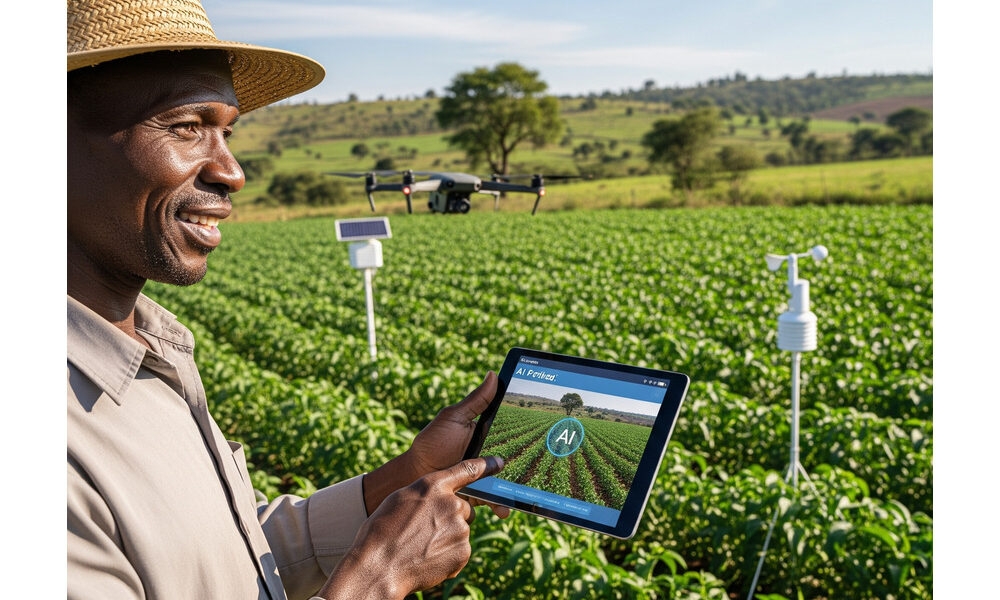
The Food and Agriculture Organization and the Smart Africa Secretariat launched the third edition of the Innovate Africa Challenge on August 5, 2026, under the theme 'From Ideation to Deployment.' Unlike prior editions that recognized promising concepts, this year's challenge is designed to move a single proven, AI-driven climate-smart agriculture solution out of pilot testing and into real deployment across five countries: Ghana, Kenya, Malawi, Rwanda, and Uganda. The winning startup receives a $50,000 prize to fund technology deployment and validation with national agricultural, ICT, and innovation ministries. Priority focus areas include precision agriculture and input optimization, crop-yield prediction, pest and disease early warning, climate-risk modeling, and water and natural-resource management, with technology required to function in low-connectivity rural areas. Eligible applicants must be legally registered start-ups with at least two team members, based in a Smart Africa member state, at technology readiness levels 3-6 (pre-seed to Series A). The organizers said priority will go to solutions serving smallholder farmers, women, and youth while following responsible AI guidelines, citing Africa's many small agricultural AI pilots that have failed to become 'working systems that survive the messy realities of farms.'
Media
Sources
- T1 FAO Science, Technology and Innovation Portal — Innovate Africa Challenge (3rd Edition) Official international
- T2 ITWeb Africa — FAO, Smart Africa Launch Farming Challenge Major international
- T3 TechBooky — Smart Africa and FAO Push AI From Farm Pilots to Deployment Institutional international